



Is TPU Eco-Friendly? A Comprehensive Guide to Sustainability, Biodegradability, and Recycling
In the modern manufacturing landscape, sustainability is no longer an option—it is a necessity. As brands shift away from traditional high-impact plastics, one question arises: Is TPU (Thermoplastic Polyurethane) truly eco-friendly?
The short answer is yes. As a next-generation material, TPU offers a unique combination of high durability, full recyclability, and biological degradability. In this guide, GREEN TPU analyzes the environmental impact of TPU film, supported by our SGS certifications and VOC emission benchmarks.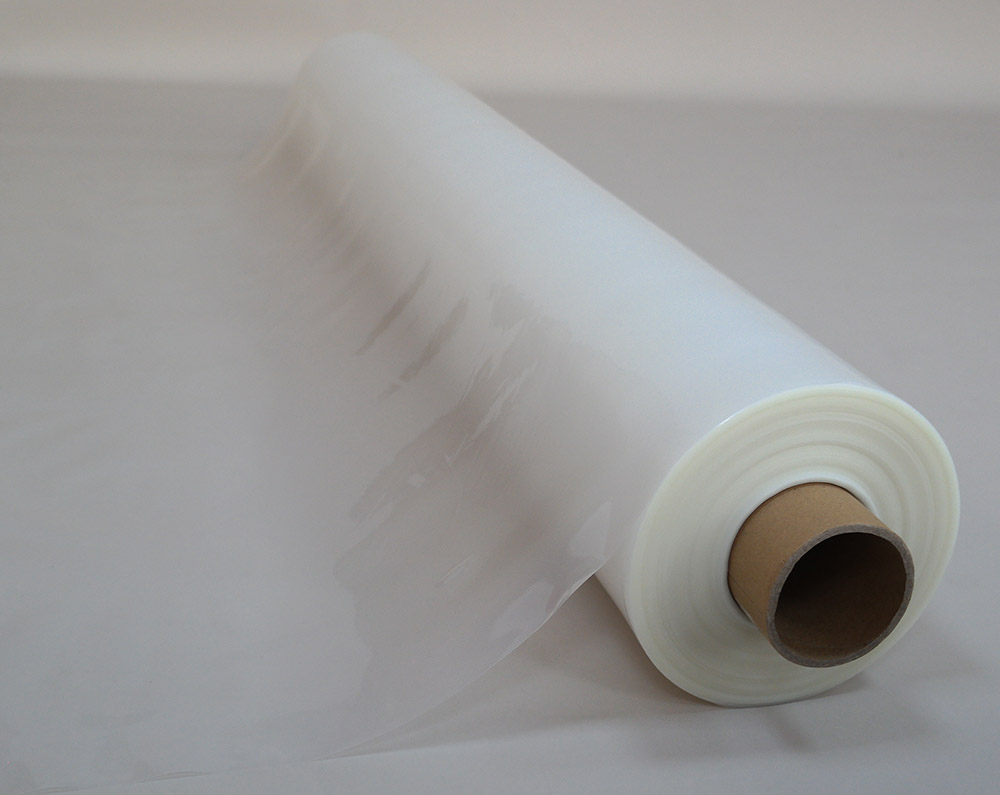
Is TPU considered an Eco-Friendly Material?
Yes, TPU is widely recognized as a high-performance sustainable alternative to traditional elastomers. Its eco-friendly nature is rooted in its inherent molecular structure, which provides flexibility without the need for complex chemical modifications common in older plastics. Its sustainability is defined by three pillars:
- ✔ 100% Virgin Polymer: We utilize high-purity primary raw materials to ensure consistent performance, durability, and a clean chemical profile.
- ✔ Fully Recyclable: As a thermoplastic, TPU can be reground and re-processed into secondary industrial goods, supporting the circular economy.
- ✔ Clean & Safe: It is verified free from Phthalates, Heavy Metals, and Halogens, ensuring safety for direct skin-contact and medical applications.
TPU vs. PVC: Why TPU is the Green Choice
When selecting materials for inflatables, medical devices, or apparel, TPU offers a lower environmental footprint than PVC. The table below highlights the technical reasons why TPU is the superior choice for green engineering.
| TPU (Sustainable Polymer) | PVC (Traditional Plastic) |
|---|---|
| Chemical Purity: High (Inherent Flexibility) No Phthalates or heavy metal stabilizers | Chemical Purity: Low (Requires Additives) Often contains Phthalates for flexibility |
| Recyclability: 100% Recyclable | Recyclability: Difficult and energy-intensive to recycle |
| Decomposition: 3-5 Years (Soil conditions) | Decomposition: 100+ Years (Environmental persistence) |
| End-of-Life Safety: Clean Incineration Mainly Water & CO2 emissions | End-of-Life Safety: Hazardous Releases Dioxins & Chlorine gas |
The Science Behind TPU Sustainability
100% Virgin Material & Recyclability
Primary Quality: GREEN TPU films are manufactured using 100% virgin polymer resins. By avoiding secondary or post-consumer content in our primary film production, we guarantee maximum material cleanliness, consistent mechanical strength, and superior clarity for your critical applications.
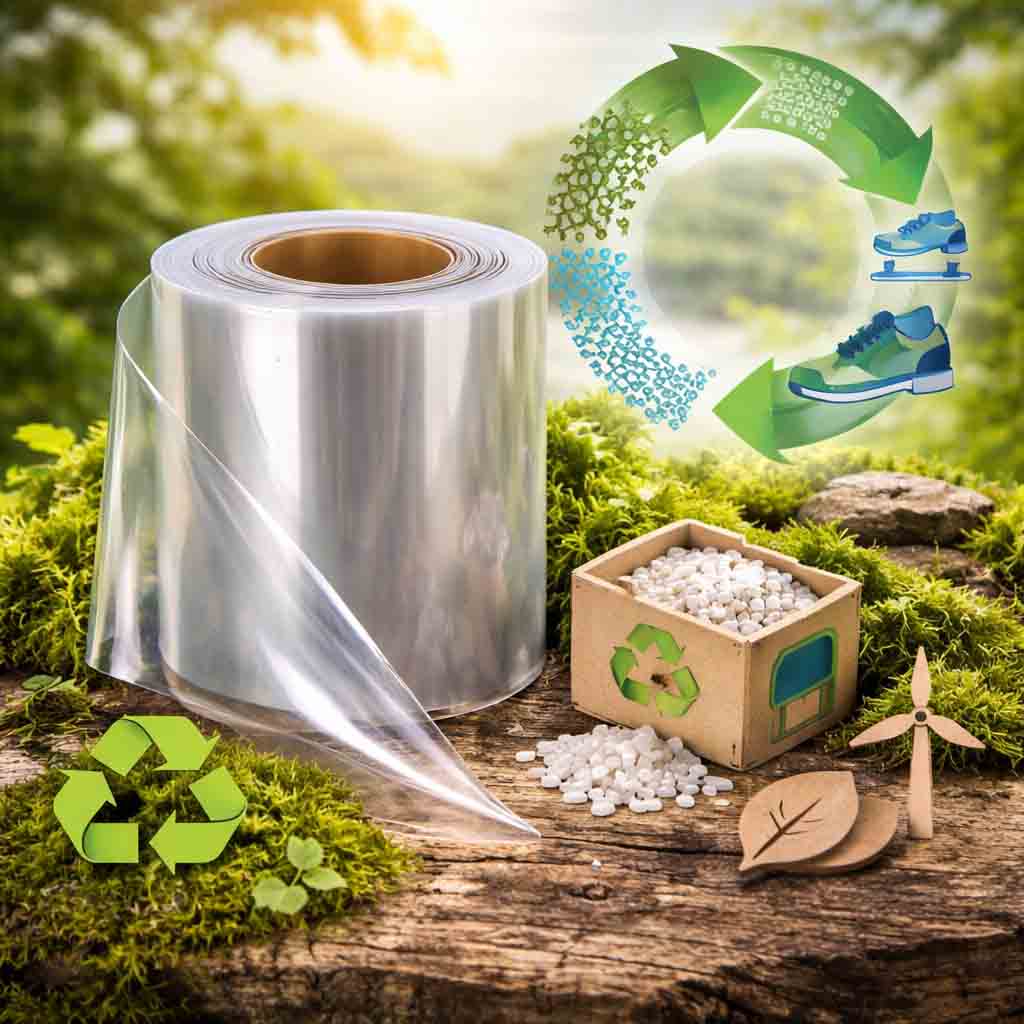
Circular Potential: Because TPU is a Thermoplastic, it remains highly valuable even as scrap. Production off-cuts and end-of-life products can be collected, regranulated, and re-processed into secondary goods such as injection-molded parts, mats, or shoe components, significantly reducing industrial waste.
Biodegradability & Soil Breakdown
GREEN TPU films are designed to be environment-responsive. When placed in an active landfill or soil environment with sufficient moisture and microbial activity, the polymer chains undergo hydrolysis and enzymatic degradation. Typically, the film will disintegrate into carbon dioxide, water, and organic biomass within 3 to 5 years, leaving no toxic residue behind.
Verified by Global Standards
At GREEN TPU, we back our eco-friendly claims with rigorous third-party testing to ensure absolute safety and compliance.
EU RoHS Directive
Report No.: SZXEC25001831401
Result: PASS
Verified free from Lead, Mercury, Cadmium, and restricted organic compounds. Safe for global distribution.
REACH SVHC
Report No.: SZXEC25001831403
Result: PASS
Screened for 247 Substances of Very High Concern. Full compliance for the European market.
VOC & Odor Test
Report No.: CANAUTO25022531001
Result: Low Emission / Pass
Superior air quality standards for vehicle interiors and enclosed living spaces. Verified low volatile organic compounds.
Halogen-Free
Report No.: SZXEC25000329001
Result: PASS
Free from Chlorine and Bromine. Essential for precision electronics and sustainable food-grade packaging.
Ready to Switch to High-Purity Sustainable Materials?
Join the global movement toward material safety. Source premium, certified eco-friendly TPU films directly from our factory.
Request Technical Data & SamplesIn the modern manufacturing landscape, sustainability is no longer an option—it is a necessity. As brands shift away from traditional high-impact plastics, one question arises: Is TPU (Thermoplastic Polyurethane) truly eco-friendly?
The short answer is yes. As a next-generation material, TPU offers a unique combination of high durability, full recyclability, and biological degradability. In this guide, GREEN TPU analyzes the environmental impact of TPU film, supported by our SGS certifications and VOC emission benchmarks.
Is TPU considered an Eco-Friendly Material?
Yes, TPU is widely recognized as a high-performance sustainable alternative to traditional elastomers. Its eco-friendly nature is rooted in its inherent molecular structure, which provides flexibility without the need for complex chemical modifications common in older plastics. Its sustainability is defined by three pillars:
- ✔ 100% Virgin Polymer: We utilize high-purity primary raw materials to ensure consistent performance, durability, and a clean chemical profile.
- ✔ Fully Recyclable: As a thermoplastic, TPU can be reground and re-processed into secondary industrial goods, supporting the circular economy.
- ✔ Clean & Safe: It is verified free from Phthalates, Heavy Metals, and Halogens, ensuring safety for direct skin-contact and medical applications.
TPU vs. PVC: Why TPU is the Green Choice
When selecting materials for inflatables, medical devices, or apparel, TPU offers a lower environmental footprint than PVC. The table below highlights the technical reasons why TPU is the superior choice for green engineering.
| TPU (Sustainable Polymer) | PVC (Traditional Plastic) |
|---|---|
| Chemical Purity: High (Inherent Flexibility) No Phthalates or heavy metal stabilizers | Chemical Purity: Low (Requires Additives) Often contains Phthalates for flexibility |
| Recyclability: 100% Recyclable | Recyclability: Difficult and energy-intensive to recycle |
| Decomposition: 3-5 Years (Soil conditions) | Decomposition: 100+ Years (Environmental persistence) |
| End-of-Life Safety: Clean Incineration Mainly Water & CO2 emissions | End-of-Life Safety: Hazardous Releases Dioxins & Chlorine gas |
The Science Behind TPU Sustainability
100% Virgin Material & Recyclability
Primary Quality: GREEN TPU films are manufactured using 100% virgin polymer resins. By avoiding secondary or post-consumer content in our primary film production, we guarantee maximum material cleanliness, consistent mechanical strength, and superior clarity for your critical applications.
Circular Potential: Because TPU is a Thermoplastic, it remains highly valuable even as scrap. Production off-cuts and end-of-life products can be collected, regranulated, and re-processed into secondary goods such as injection-molded parts, mats, or shoe components, significantly reducing industrial waste.
Biodegradability & Soil Breakdown
GREEN TPU films are designed to be environment-responsive. When placed in an active landfill or soil environment with sufficient moisture and microbial activity, the polymer chains undergo hydrolysis and enzymatic degradation. Typically, the film will disintegrate into carbon dioxide, water, and organic biomass within 3 to 5 years, leaving no toxic residue behind.
Verified by Global Standards
At GREEN TPU, we back our eco-friendly claims with rigorous third-party testing to ensure absolute safety and compliance.
EU RoHS Directive
Report No.: SZXEC25001831401
Result: PASS
Verified free from Lead, Mercury, Cadmium, and restricted organic compounds. Safe for global distribution.
REACH SVHC
Report No.: SZXEC25001831403
Result: PASS
Screened for 247 Substances of Very High Concern. Full compliance for the European market.
VOC & Odor Test
Report No.: CANAUTO25022531001
Result: Low Emission / Pass
Superior air quality standards for vehicle interiors and enclosed living spaces. Verified low volatile organic compounds.
Halogen-Free
Report No.: SZXEC25000329001
Result: PASS
Free from Chlorine and Bromine. Essential for precision electronics and sustainable food-grade packaging.
Ready to Switch to High-Purity Sustainable Materials?
Join the global movement toward material safety. Source premium, certified eco-friendly TPU films directly from our factory.
Request Technical Data & Samples